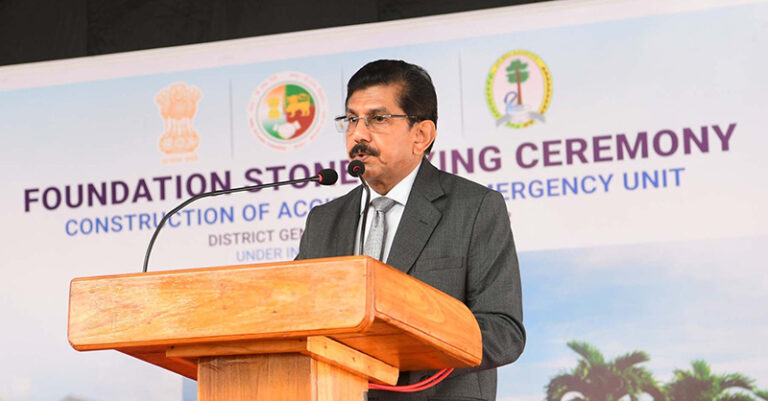
Only 50% of people suffering from high blood pressure in Sri Lanka have their condition under effective control, while only 25% of diabetes patients maintain proper management, highlighted Specialist Dr. Anil Jasinghe, Secretary to the Ministry of Health and Mass Media.
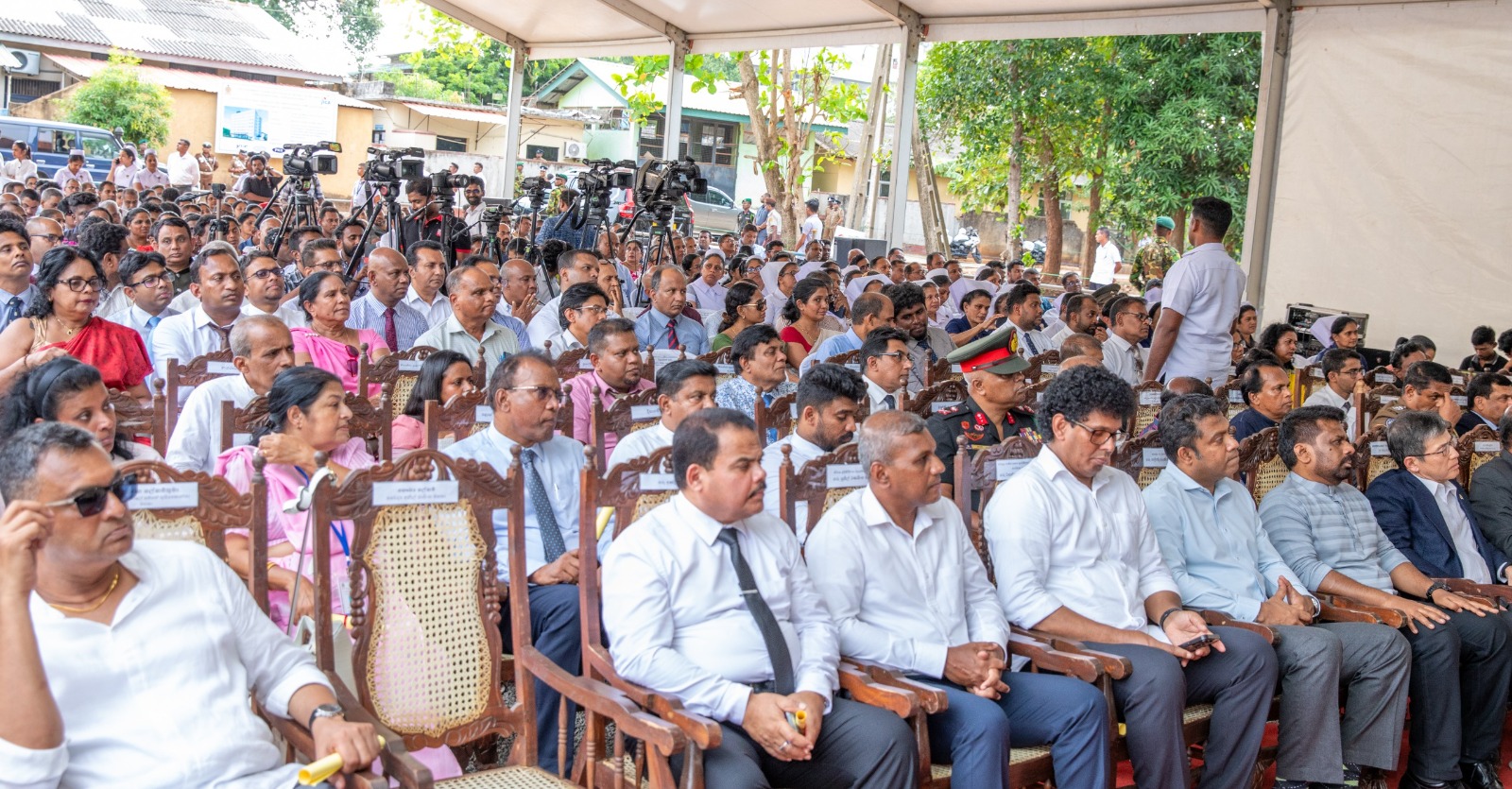
He revealed these figures while addressing the official event to mark the commencement of construction for the new four-story medical ward complex at the Anuradhapura Teaching Hospital, held on September 16 under the patronage of President Anura Kumara Dissanayake.
Speaking further at the event, Dr. Anil Jasinghe stated:
“Non-communicable diseases (NCDs) account for 80% of total deaths in our country. High blood pressure and diabetes are at the top among these cases.
The primary issue is that these two conditions are interconnected, leading to numerous health complications in individuals. Looking at the current situation in Sri Lanka, only 50% of those suffering from hypertension are under effective control, and an even smaller proportion—just 25%—of diabetic patients have their condition properly managed. This situation has evolved into a major social and public health concern today.
The most dangerous complication arising from both conditions is Myocardial Infarction (MI), or heart attack, which stands as the leading threat. How we manage this modern epidemic is the biggest challenge ahead of us.
While expanding modern facilities across the nation, our healthcare system must recognize the changing demographic structure and disease patterns in our country. Consequently, the healthcare system needs to adapt accordingly.
In line with the policies of the government led by the President and under the guidance of the Minister of Health, the Ministry of Health and Mass Media is currently executing a comprehensive plan. It comprises three key components: adapting ‘Arogya’, ‘Cluster Systems’, and ‘High-End Care Institutions’ to fit our healthcare system, which will be vital moving forward.”